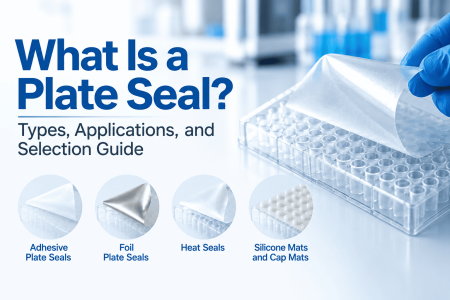
Microplates are widely used for sample preparation, storage, PCR, LC-MS analysis, and automated laboratory workflows. But once samples are placed…
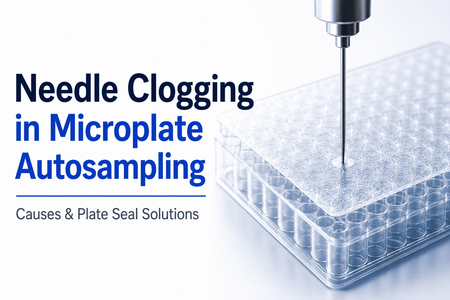
Needle clogging is a familiar troubleshooting issue in HPLC and LC-MS autosampling. Possible causes range from sample particulates and precipitated…
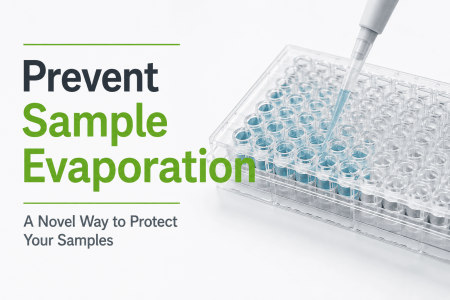
Microplates are widely used in life science, pharmaceutical, and analytical laboratories. However, solvent evaporation can compromise sample integrity, analytical accuracy,…
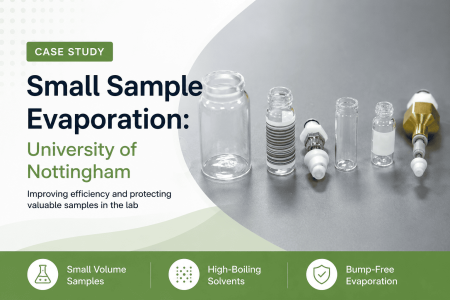
At a Glance In an undergraduate medicinal chemistry teaching laboratory at the University of Nottingham, Smart Evaporator™ was used to…
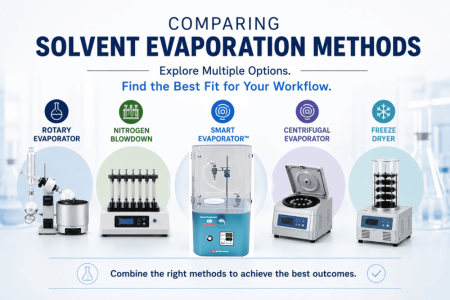
No single solvent evaporation method is ideal for every laboratory application. Rotary evaporators, nitrogen blowdown, centrifugal evaporators, freeze dryers, and…
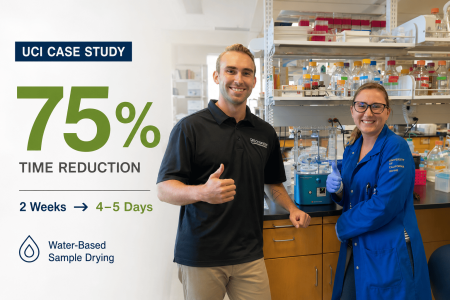
Key Takeaway UCI researchers reduced a two-week purification workflow to 4–5 days using Smart Evaporator™. For water-based reactions and aqueous…
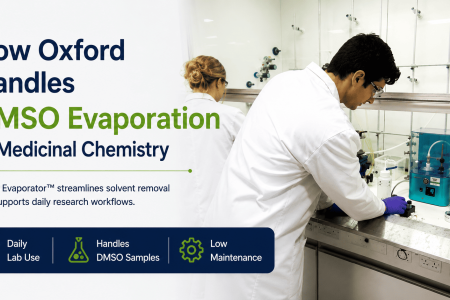
Solvent evaporation is a routine step in medicinal chemistry, but it can still create practical bottlenecks when laboratory teams need…
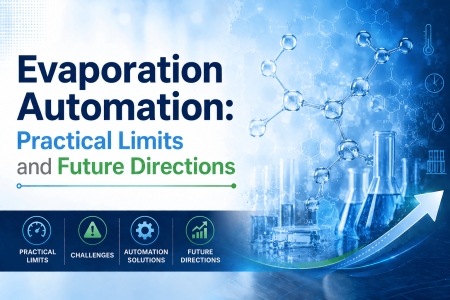
Evaporation is a common but still difficult laboratory step to fully automate. Although many systems now provide automated control, robotic…
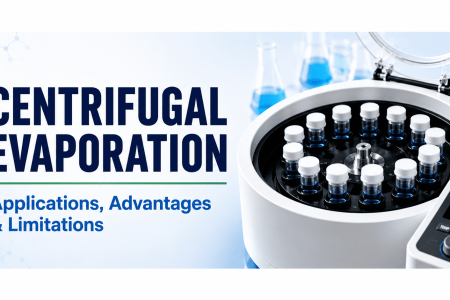
Quick Answer: Centrifugal evaporation combines vacuum, heat, and centrifugal force to remove solvents from multiple samples simultaneously. It is useful…
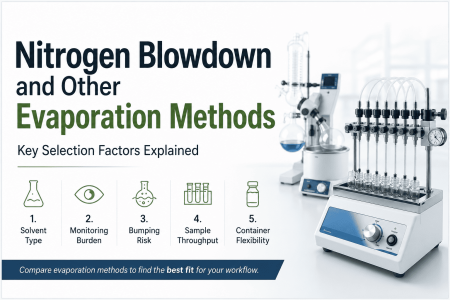
Nitrogen blowdown evaporation is widely used in laboratories for small-volume sample preparation because it offers a simple setup and supports…
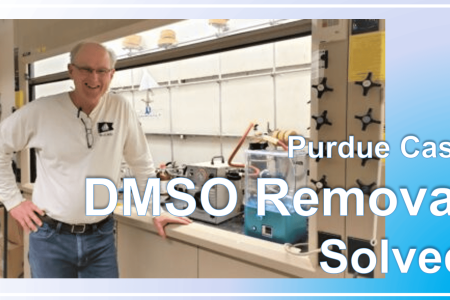
DMSO removal becomes difficult when extraction is not applicable and lyophilization is inefficient. See how a Purdue University case solved…
Nitrogen blowdown evaporation is a solvent removal method that uses a stream of dry nitrogen gas to accelerate evaporation at the…